How to Turn an Ordinary Evening Into a Gin Bar NYC Adventure
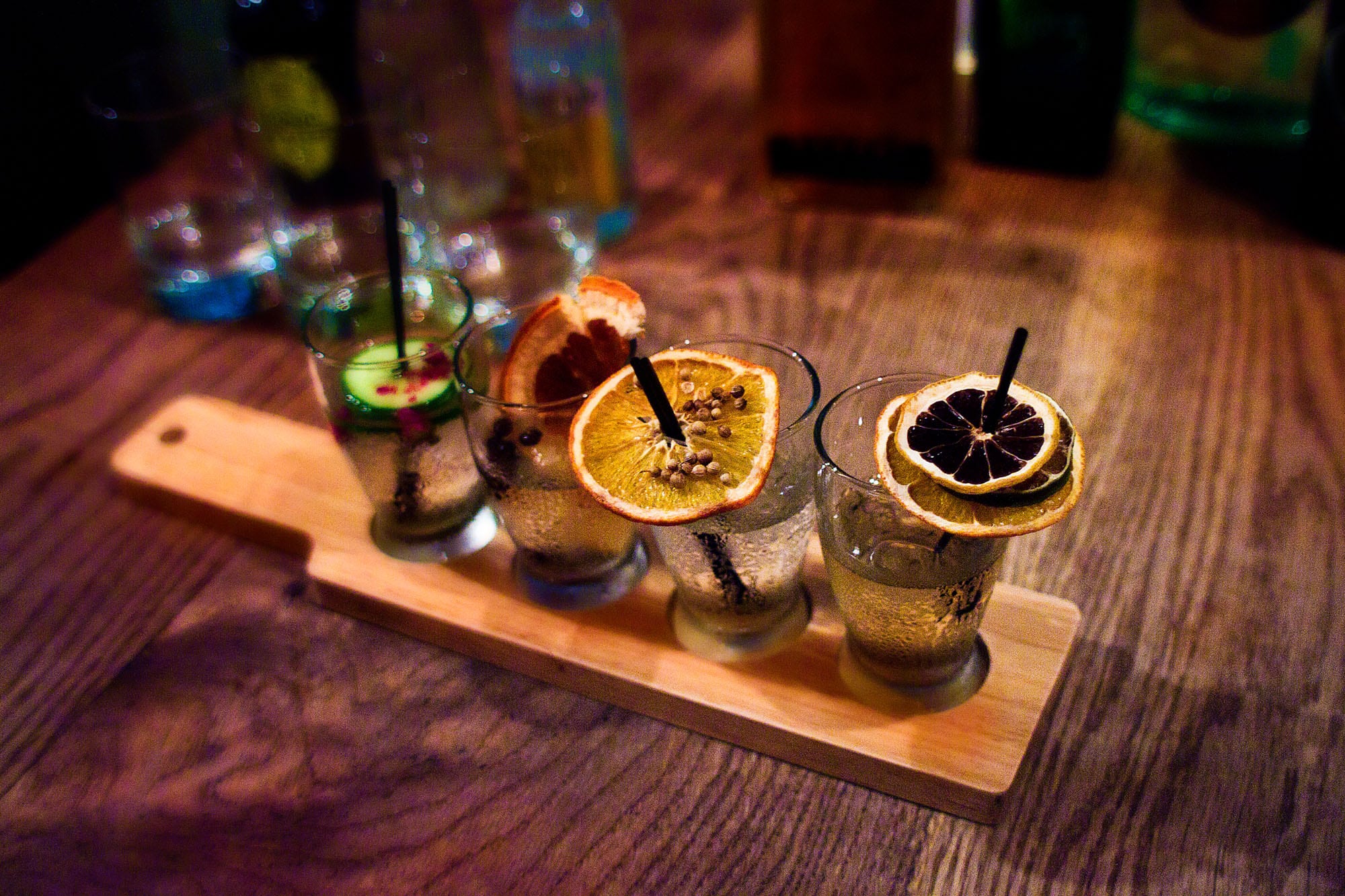
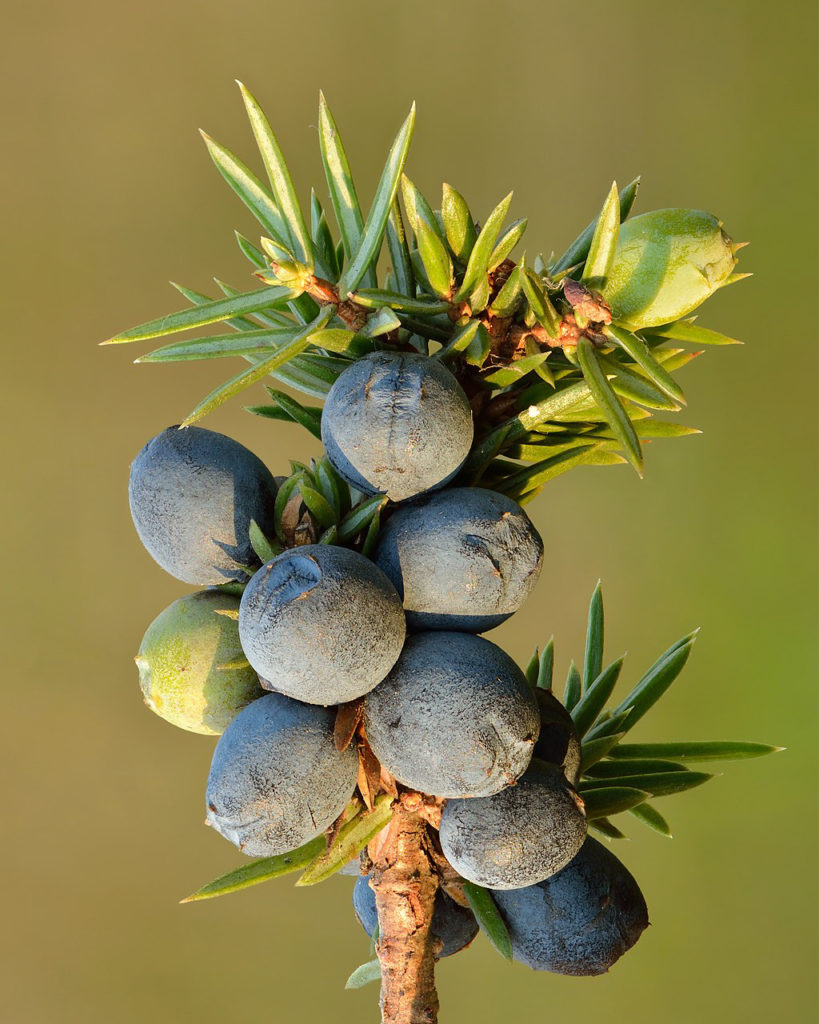
An ordinary evening in New York can slip by without leaving much behind. You finish work, answer a few messages, grab a familiar dinner, and call it a night. There is nothing wrong with routine, but the city rewards a little intention. A modest plan, handled well, can turn a regular Tuesday into something that feels cinematic. Few settings lend themselves to that shift better than a good gin bar.
A great gin night is not just about ordering a martini and moving on. It is about atmosphere, pacing, choices, and the small details that make a night feel composed rather than improvised. New York is especially good at this because the city’s bar culture has range. You can find polished hotel lounges, narrow neighborhood spots with ten stools and perfect ice, and lively cocktail bars where the bartender can talk for five minutes about juniper, citrus peel, and tonic carbonation without sounding precious. If you want a true Gin Bar NYC experience, the trick is not spending more or chasing the trendiest reservation. The trick is shaping the evening with enough care that every stop builds on the last.
Start with the mood, not the map
Most weak nights out begin with geography alone. Someone says, “Let’s go to SoHo,” or “Meet in the West Village,” and that is the entire plan. Neighborhood matters, but mood matters more. Before picking a bar, decide what kind of night you want. Do you want a quiet booth where conversation can stretch? Do you want polished service and a menu that reads like a short essay? Are you hoping for an energetic room with strong music and a little people-watching? Each version changes where you should go and when you should arrive.
Gin, perhaps more than any other spirit, reflects setting. In a candlelit room, a martini can feel clean and serious. On a brighter corner with open windows and a louder crowd, the same spirit in a gin and tonic feels easy and social. The best evenings do not fight the room. They let the room frame the drink.
I learned this the hard way on a rainy evening in Manhattan a few years ago. A friend insisted on a famous cocktail bar because the drinks were excellent. They were, but the room was packed shoulder to shoulder, the music was pushing the conversation into near-shouting, and every delicate botanical note in the glass was lost on us. Two blocks away, we stumbled into a quieter spot with a shorter menu and better spacing, and suddenly the night worked. Same spirit, same borough, entirely different result.
Why gin works so well for a New York night
Whiskey bars often ask for commitment. Wine bars can lean contemplative. Beer bars reward stamina. Gin is more flexible. It can anchor a crisp aperitif, carry a highball through a long conversation, or turn elegant in a late martini. That versatility matters when you are trying to build an evening instead of just occupy one.
A proper gin list also tells you something about a bar’s standards. If the menu distinguishes between London dry, contemporary citrus-forward styles, and more floral or savory expressions, someone has thought about balance. If the tonic is chosen with care rather than pulled from a generic gun, that matters too. Good gin bars understand that mixer quality is not a minor footnote. It is half the drink.
New York bartenders tend to be especially good with gin because the city’s clientele is varied. On any given night, they may be making a bone-dry martini for one guest, a French 75 for another, and a lower-alcohol spritz variation for a table that wants to linger. A strong Gin Bar NYC destination often succeeds because it can serve all of those people without losing its point of view.
Build the evening in phases
The easiest way to elevate a night is to think in phases rather than in a single destination. You do not need four venues and a spreadsheet. Two places, chosen well, can be enough. One stop should ease you in. The next should feel like the high point.
Your first bar should be forgiving. That means comfortable seating, no pressure to order fast, and a menu broad enough that everyone in your group can settle in. This is where you order something bright and accessible. A gin and tonic with a thoughtful garnish, a Collins, or a light seasonal cocktail works better than launching straight into your strongest possible pour. The point is not restraint for its own sake. The point is pacing. A rushed first round can flatten the rest of the evening.
The second stop should sharpen the night. Maybe it is the room with the impeccable martinis and cold glassware, or the place known for house infusions and staff who can steer you toward a style you would not usually choose. This is where the evening becomes memorable. By then, you know the tempo, you have had a chance to talk, and your palate is ready for something more focused.
If you only do one stop, that is fine. Just give yourself a beginning and a middle within the same room. Start with a longer drink, then move into something spirit-forward after food or after the room settles. A lot of nights fail because people order as if every round exists in isolation.
Timing changes everything
A bar at 6:15 p.m. Is often a different bar at 8:45 p.m. The same staff, same drinks, same address, different reality. If you want a polished evening, timing is one of the strongest tools you have.
Arriving early has practical benefits. Bartenders have more bandwidth. You can ask questions without feeling like you are interrupting service. Seats are better. Noise is lower. The room reveals itself. You notice the glassware, the garnish prep, the little habits that signal professionalism. You also gain flexibility. If the place does not feel right, you can pivot before lines form and neighboring spots fill up.
Late starts can still work, but they demand accuracy. If you are meeting after 9:00 p.m., choose places built for volume and movement, not bars whose charm depends on intimacy. There is no romance in waiting forty minutes for a drink in a room where you cannot hear your own table.
For couples, I often recommend a start between 6:30 and 7:30 p.m. For a larger group, slightly earlier helps. For solo drinkers or two friends who do not mind sitting at the bar, later can be excellent if you enjoy the energy and trust the venue.
Dress with the room in mind
New York no longer requires rigid formality in most bars, but good rooms still reward a little effort. That does not mean dressing expensively. It means looking like you expected the night to matter.
A crisp jacket, clean shoes, and one deliberate detail can change how you feel moving through the city. It also changes how service often begins. Bartenders are human. They respond to guests who seem present, relaxed, and respectful of the setting. If your plan involves a refined gin bar, dress one notch above your default errand clothes. It creates momentum before the first drink is poured.
There is also a practical side. If your evening includes a walk, a second venue, or a late dinner, comfort matters. New York punishes shoes chosen for appearance alone. Nothing drains charm faster than someone visibly suffering three avenues into the night.
Know what to order, and what to ask
You do not need specialist knowledge to enjoy gin well, but a little Gin Bar NYC vocabulary helps. It can guide you away from vague ordering and into a drink that actually matches your taste.
If you like structure and dryness, ask for a martini spec. Some bars run very wet martinis, others very cold and nearly austere. If you like brighter profiles, mention citrus. If you want something softer, floral, or less juniper-heavy, say that plainly. Skilled bartenders appreciate direct, useful guidance more than guests trying to sound informed.
The most practical questions are usually the least theatrical:
- Which gin cocktails here show your house style best?
- Do you carry a tonic you especially like with a classic London dry?
- Is your martini on the colder, drier side, or a little rounder?
- If I like herbal drinks but not sweetness, where should I start?
Those questions do two things. They save you from generic recommendations, and they tell the bartender you care about the experience without making the interaction performative.
One small habit pays off: pay attention to garnish. With gin, garnish is rarely decorative only. A lemon twist tightens the profile. Lime shifts freshness. Grapefruit adds bitterness and aroma. Rosemary or basil can change the entire frame. If a drink arrives with a garnish that seems deliberate, smell it before you sip. That first aromatic impression is part of what you are paying for.
Food is not a side note
A serious gin evening without food often ends earlier than people expect. You do not need a full sit-down dinner, but you do need structure. Salt, fat, and starch buy time, steady the pace, and keep the drinks expressive rather than punishing.
This is where New York gives you an advantage. Even if a bar menu is limited, the city makes it easy to sandwich the experience between small meals. Oysters and a martini can be brilliant, but so can fries, olives, and a well-made tartare. A late ramen stop after a gin-focused evening sounds less elegant on paper, yet in real life it can be the move that saves the next morning.
The best pairings tend to respect gin’s clarity. Heavy, sugary dishes can flatten it. Salty snacks, seafood, roast chicken, simple cheeses, and sharp pickles tend to play better. Charcuterie works too, especially with more savory gin styles. The goal is not formal pairing in the wine sense. It is keeping your palate engaged and your body ahead of the alcohol.
Choose one signature moment
Memorable evenings usually contain one moment that gives them shape. It might be a perfect martini served ice cold in a room that has just started to glow. It might be stepping out of the bar after one drink, walking twenty minutes downtown, and arriving at a second place just as the city shifts from work mode to night mode. It might even be a small ritual, like always ordering one classic and one bartender’s choice.
Without that kind of anchor, nights blur. New York offers so much stimulation that the default can become forgettable. A signature moment forces selectivity.
One couple I know has a rule: every time they plan a gin-centered evening, they include one “best version” item. Sometimes that is the first round, sometimes dessert at the end, sometimes a splurge on a reserve gin pour. The amount spent is less important than the clarity of the choice. Because they decide in advance where to indulge, the whole night feels more intentional.
Keep the group small if you want real quality
There is a reason the best cocktail nights tend to happen in pairs or groups of four. Gin rewards attention, and attention gets diluted in large groups. With six or eight people, ordering takes longer, preferences clash, and the evening often bends toward logistics instead of pleasure.
Gin Bar NYCThat does not mean larger groups are doomed. It means you should simplify. Pick one venue instead of two. Reserve if the bar allows it. Encourage everyone to arrive close to the same time. Avoid bars where every drink requires a mini-consultation unless the whole group enjoys that process.
If your priority is conversation, quality, and smooth pacing, smaller is better. A compact group lets the bartender engage, keeps rounds moving, and gives the night a center of gravity.
Budget for quality, not quantity
A refined Gin Bar NYC night does not need to be extravagant, but it does help to spend strategically. In Manhattan and the trendier parts of Brooklyn, a well-made cocktail can easily run in the high teens or low twenties before tip. Add a small plate or two, and an evening for two can move quickly. That is normal. The answer is not to pretend otherwise. The answer is to choose where quality matters most.
Here is the math I usually suggest to friends. Have one excellent drink at your first stop, one standout drink at your second, share food somewhere in the middle or at the end, and leave room in the budget for a car home if the weather turns or the trains become a hassle. Two superb drinks in the right setting beat four careless ones every time.
This is also where restraint improves the experience. Gin can be deceptively easy to drink, especially in long serves. A night feels elevated when you remain inside it, alert enough to notice the room, the music, the turn of the conversation. The city is full of expensive ways to have a mediocre time. Precision is usually cheaper than excess.
Let the neighborhood do part of the work
A gin evening becomes an adventure when the city itself enters the frame. The walk between places matters. The corner where you pause matters. Even the subway ride can matter if it breaks the night into chapters.
Certain neighborhoods naturally support this better than others. The West Village works well for slower wandering and compact bar-hopping. Flatiron and NoMad can deliver polished hotel-bar energy and a little old-New-York glamour. Parts of Brooklyn offer a more relaxed cadence, where the second venue may feel less formal but more personal. Lower Manhattan can be excellent if you want contrast, one quiet drink in a tucked-away spot followed by a livelier room nearby.
What matters is not chasing a checklist of famous places. It is choosing an area with enough density that your night can evolve without too much friction. Long crosstown travel can drain momentum unless the destination is genuinely worth it.
A simple framework that works almost every time
If you want a plan you can use without overthinking, keep it lean:
- Start with one accessible gin drink in a comfortable first bar.
- Move to a second spot for your most focused or spirit-forward order.
- Eat something salty before the second round becomes your last good decision.
- Leave enough time to walk, talk, and let the city connect the pieces.
- End while the night still feels composed, not spent.
That framework works for dates, old friends, visiting relatives with decent taste, and solo evenings when you want to feel part of the city rather than just pass through it.
Service is part of the drink
One of the pleasures of a true gin bar is the way good service sharpens the whole night. You feel it in small things. Water appears before you ask. The bartender checks whether you want another round at the right moment, not too early. Glassware is cold when it should be. A recommendation reflects what you said, not what the venue is trying hardest to move.
New York has many bars with strong concepts and weaker hospitality. When you find a room that offers both, remember it. Those places are what turn a category, “let’s find a Gin Bar NYC spot”, into a real personal ritual.
Good service also allows for spontaneity. If the room is right and the staff is dialed in, you can adjust course. Maybe the martini you expected to order gives way to a seasonal sour because the bartender mentions a fresh herb tincture they are excited about. Maybe you stay for one extra round because the room has hit that sweet spot, lively but not loud. Flexibility feels luxurious when it rests on competence.
The last round should feel earned
A lot of people mishandle the end of the night. They either stop too late, when the evening has already frayed, or too early, before it has peaked. The best final round feels earned. You have settled into the room. You know what you want. The city outside has taken on that particular New York shine, where cabs reflect in wet pavement and the blocks seem briefly arranged for your benefit.
For some, that final drink is a classic martini, stripped down and exact. For others, it is a gin highball that resets the palate before heading home. There is no universal right answer. The only mistake is treating the end as an afterthought.
If you want to make the night stick in memory, leave with one small act of intention. Walk an extra block for a view. Split fries at a diner counter. Step into a quiet hotel lobby for five minutes before you head home. The drink may have been the reason for the outing, but memory often fastens itself to what came just before or just after.
Turning habit into ritual
The most satisfying evenings are rarely the most elaborate. They are the ones that use familiar ingredients with greater care. New York, gin, one or two good bars, a little food, a little walking, a little judgment. That is enough.
Over time, these nights become a kind of personal ritual. You learn which rooms flatter conversation, which bartenders understand your taste in ten seconds, which neighborhoods hold together best on cold nights or humid ones. You stop asking only, “Where should we go?” and start asking better questions. What mood suits tonight? How much energy do we have? Do we want sparkle, stillness, or both?
That is how an ordinary evening changes shape. Not through grand planning, and not through sheer spending. Through attention. Through choosing a bar that respects gin and a pace that respects the night. Through letting the city meet you halfway.
On paper, it is just drinks. In practice, a well-planned gin evening can do what New York does at its best. It can make a few ordinary hours feel sharper, richer, and more alive than they had any reason to be.
The Winslow
243 E 14th St
New York, NY 10003, United States
Phone: +1 212-777-7717
FAQ About Gin Bar NYC
How to do a gin tasting?
Start with a small pour and gently smell the gin before taking a small sip. Notice its juniper, citrus, floral or spice notes, then compare how the flavor changes with a little water or tonic. At a gin bar, ask the bartender to explain the selection and botanical pairings.
How to make the best tasting gin and tonic?
Use chilled gin, fresh tonic and plenty of ice. A common starting ratio is one part gin to two parts tonic, adjusted to taste. Choose a garnish that complements the gin's botanicals and stir gently to preserve the bubbles.
What is the smoothest tasting gin?
There is no single smoothest gin for everyone. Perceived smoothness depends on the botanical recipe, alcohol strength, serving temperature and mixer. Describe whether you prefer citrus, floral, herbal or juniper-forward flavors so a bartender can suggest a suitable style.