The Best Reasons to Explore a New Gin Bar NYC This Week

New York has never been short on places to drink, but not every bar earns a second visit. A good gin bar does. It gives you range without chaos, personality without gimmicks, and enough precision behind the stick to make a simple drink feel worth going out for. If you have been rotating between the same neighborhood spots, this is a good week to change that pattern.
The strongest case for visiting a new Gin Bar NYC locals are talking about is not novelty for its own sake. It is the chance to discover a room with a point of view. Gin, more than most spirits, reveals whether a bar has taste, discipline, and a real palate. Vodka can hide weak judgment. Whiskey can coast on familiar labels. Gin demands more. The botanicals matter. The tonic matters. The citrus matters. Even the glassware tells you something about the place.
That is why a new gin-focused bar can be such a useful test of a city’s drinking culture. In New York, where menus can lean crowded and trends tend to arrive with a lot of noise, a thoughtful gin bar often feels refreshingly exact.
Gin rewards bars that pay attention
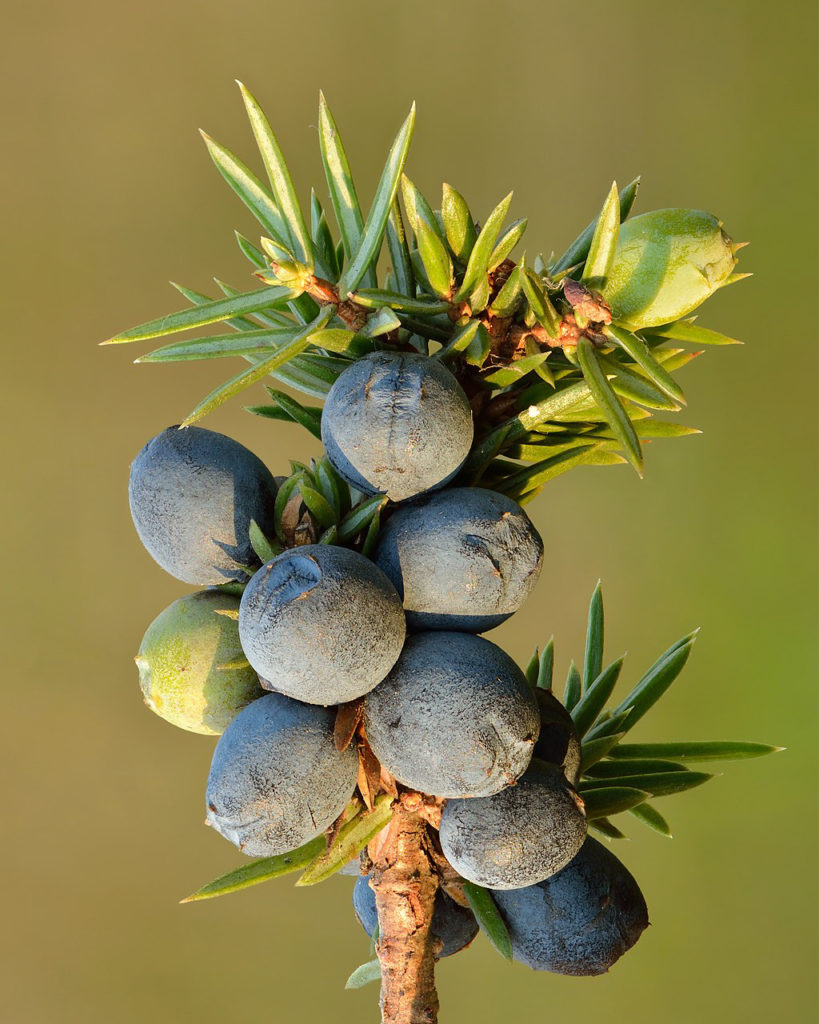
A lot of spirits depend on barrel age, rarity, or brand mythology. Gin works differently. It starts with a base spirit, but its identity comes from botanicals, balance, and the decisions made after distillation. Juniper leads, but coriander, angelica, citrus peel, orris root, cardamom, cucumber, pepper, and dozens of other notes can all shape the final profile. That means the person building a gin program cannot fake expertise for long.
When you walk into a new gin bar, the first thing you tend to notice is whether the menu has been assembled by someone who actually tastes for structure. Are the gins grouped by style, or just scattered under generic labels? Do the cocktails let the spirit speak, or do they bury everything under syrup and liqueur? Does the bar stock a real spread, London dry, contemporary citrus-forward bottles, floral expressions, navy strength options, and a few regional surprises, or is it mostly familiar names with one token wildcard?
Those details matter because gin is a conversation between the bottle and the bartender. At a strong gin bar, you can order a Martini and learn something. The drink might arrive Gin Bar NYC with a lemon twist instead of an olive because the bar wants to sharpen a bright, resinous gin. It might be colder than average, slightly leaner on vermouth, served in a smaller pour to preserve its tension. These are not flashy decisions. They are professional ones.
A new place often has the sharpest version of that attention because the staff is still deeply invested in showing what they can do. Early on, menus are usually tighter, service is more focused, and standards are high because everyone knows the room is still defining itself.
You get out of your routine without gambling on the night
There is a practical reason to try a new Gin Bar NYC visitors and residents alike can appreciate. It gives you variety with relatively low risk. If you choose a bar that specializes in gin, you already know a few things before you sit down. The beverage program probably has a coherent theme. The cocktails are likely built around freshness and precision rather than volume. The atmosphere tends to support conversation because gin bars, at their best, skew toward guests who are there to taste and talk, not just fill time.
That makes a gin bar a smart choice for the middle of the week, when many people want something more memorable than a quick drink but less demanding than a full night out. You can slip in after work, order one excellent cocktail and maybe a second, then head home feeling like the evening actually happened.
There is also less decision fatigue. Big menus can be tiring. So can bars that try to be everything at once, sports venue, date spot, dance room, late-night lounge, all at the same time. A focused gin bar narrows the field in a useful way. You still get variety, but it is curated variety. Instead of thirty random cocktails, you may have a dozen that each express a clear idea.
That kind of restraint is underrated in New York. The city rewards momentum, but good bars know when to edit. A concise menu usually signals confidence.
The Martini alone is reason enough
Anyone serious about cocktails eventually uses the Martini as a benchmark. Not because it is the only drink that matters, but because it reveals so much, so quickly. Temperature control, dilution, balance, glassware, garnish, the choice of gin, the restraint to stop stirring at the right moment, all of it shows.
A new gin bar that takes its Martini seriously is worth your time. It means the team understands that guests notice fundamentals. It also means the bar is probably stronger across the rest of the menu. Places that nail cold, clear, balanced stirred drinks usually handle sours, highballs, and house signatures with equal care.
There is another benefit. The Martini has become popular enough again that bars are interpreting it in different directions. Some lean crisp and classic. Some use savory distillates, saline, or aromatic wines for more texture. Some offer miniature serves, which is one of the better developments in cocktail culture because it encourages exploration without committing to a full second round. At a good gin bar, these riffs tend to feel purposeful rather than desperate.
If you have ever had a mediocre Martini in a loud room with poor lighting and indifferent service, you know the drink can turn punishing fast. But when a capable gin bar gets it right, a Tuesday suddenly feels expensive in the best way.
New York is especially suited to gin
Some spirits fit certain cities. Gin fits New York unusually well. The city moves quickly, and gin has that same snap to it. It can be brisk, aromatic, angular, clean, layered, or unexpectedly soft, but it rarely feels sleepy. Even richer gin cocktails tend to retain lift.
That quality works across seasons. In warmer months, gin and tonic, Collins variations, spritzes, and herb-driven sours make obvious sense. In colder weather, gin still holds up, especially in drinks built with vermouths, fortified wines, bitters, and spice. A well-made Martinez or a gin cocktail with rosemary, black pepper, or citrus peel can feel just as appropriate in November as a G&T does in June.
New York bars also tend to attract guests with wide-ranging tastes, which suits gin’s versatility. One person wants bone-dry and juniper-heavy. Another wants soft florals. Another wants savory, briny, and almost food-like. Gin can cover all of that. A thoughtful Gin Bar NYC drinkers seek out will usually reflect those different lanes without making the menu feel scattered.
Neighborhoods shape the experience too. In a quieter downtown room, gin may show up in restrained classics and low-lit service. In a busier part of Brooklyn or the Lower East Side, you may find brighter, more experimental builds with seasonal fruit, tea, or uncommon amari. Uptown, the expression might skew polished and traditional. None of that is inherently better. The point is that gin adapts to the city’s many social temperatures.
A good gin bar teaches without lecturing
One of the pleasures of a specialized bar is learning something almost by accident. Not through a speech, and not through a menu that reads like a textbook, but through small, useful interactions. You ask for something citrusy but not sweet, and the bartender steers you toward a highball with a Spanish-style tonic and grapefruit peel. You mention that you usually drink whiskey, and they pour a navy strength gin in a stirred drink that keeps some of the weight you like. You say you never really got into gin because it tastes like pine, and they guide you to a softer bottle with more floral or cucumber notes.
That kind of exchange is valuable because gin has range that many casual drinkers have not fully explored. Plenty of people dislike gin only because they have mostly encountered one narrow style, often in badly mixed drinks. A good bar can correct that in ten minutes.
There is also a hospitality test here. Staff who know gin well tend to ask better questions. They do not simply ask whether you like gin. They ask what kinds of aromas you respond to, whether you want something crisp or textured, whether tonic sounds good, whether you prefer a drink that opens up as it warms or stays sharp to the last sip. That is the difference between taking an order and guiding a guest.
If you are meeting someone who is interested in food, wine, spirits, or travel, a new gin bar is often a stronger choice than a generic cocktail spot because there is built-in material for conversation. The drink itself gives you something to notice together.
The tonic, ice, and garnish tell you almost everything
People talk about bottles, but service details are where quality shows up in real time. This is another strong reason to explore a new gin bar this week rather than defaulting to a familiar all-purpose spot.
Watch how the bar handles a gin and tonic. It sounds simple, which is exactly why it matters. The right tonic can frame a gin or flatten it. Some bars choose an aggressively bitter tonic that fights the spirit. Others use a cleaner, drier tonic that lets botanicals emerge. Ratios matter too. Too much tonic and the drink loses shape. Too little and it becomes heavy.
Ice is just as revealing. Large, cold cubes preserve structure. Wet, melting ice dilutes a drink before it reaches the table. Garnish, often treated as decoration elsewhere, is part of the flavor architecture in gin service. A grapefruit peel can brighten peppery notes. Lime can sharpen. Lemon can lift juniper and coriander. Herbs can be useful, but only if they are fresh and chosen with restraint. Nobody needs a potted garden clipped into the glass.
These are small things, but they accumulate. They are why one G&T tastes flat and another feels vivid from first sip to last. A real gin bar usually knows that simplicity is not an excuse. It is a standard.
It is one of the better date and meeting formats in the city
New York forces people to make practical social decisions. Where can you hear each other? Where does the bill stay reasonable if the night runs long? Where can one person drink seriously while the other keeps it light? A gin bar solves more of those questions than many places do.
For dates, gin has a useful elegance. A crisp Martini or a bright Collins signals taste without trying too hard. The category also invites sharing and comparison. Two people can order different styles and trade sips without needing a formal tasting setup. Because many gin cocktails lean aromatic and refreshing rather than sugary or heavy, the evening tends to stay balanced.
For professional meetings or catch-ups with colleagues, a gin bar can be even more effective. It feels deliberate, but not stiff. You can order something low proof, like a vermouth-forward serve or a long drink, and keep the pace moderate. If the room is designed well, and many good gin bars are, there is enough energy to make the meeting feel social without forcing everyone to shout.
There is another point that people overlook. Gin bars often attract a crowd that values the experience itself. That changes the room. Guests order with more curiosity, linger over what is in the glass, and generally keep the atmosphere from tipping into chaos too early.
You can taste seasonality without a lot of fuss
Seasonal cocktail menus sometimes become theatrical. Smoke under cloches, overbuilt garnishes, ingredients included mainly because they look good on social media. Gin is one of the best antidotes to that because it already brings aromatic complexity. It does not need to be dressed up too heavily to feel expressive.
A new gin bar with a smart seasonal menu can show off produce and herbs in a cleaner way. Early spring might bring peas, mint, or restrained floral notes. Summer lends itself to cucumber, basil, melon, stone fruit, or tomato water. Fall works well with apple, sage, quince, pepper, and vermouth-rich drinks. Winter can highlight citrus, rosemary, clove, or tea.
The key is moderation. Gin can handle a lot, but it loses identity when a drink tries to showcase six ideas at once. Bars that understand this use seasonality to support, not obscure. The result is usually more drinkable, and more memorable, than the louder alternatives.
It is a smart way to expand your palate
There is a difference between drinking more and tasting more. Exploring a new gin bar belongs firmly in the second category. Because gin expresses itself through botanicals, even subtle variations become interesting. One bottle might push pine and lemon peel. Another leans soft and floral. Another brings spice and earthy Gin Bar NYC root notes. Tonic changes the frame. Vermouth changes the texture. Citrus changes the finish.
That means even if you only have two drinks, you can leave with a much clearer sense of what you like. Over time, you start ordering with more confidence. You know whether you prefer classic London dry profiles, softer contemporary gins, or bolder high-proof styles. You notice when a drink is over-diluted, over-garnished, or out of balance. You become easier to serve well, which bartenders generally appreciate.
If you want to make the most of the visit, a few habits help:
- Start with either a Martini or a gin and tonic, because both expose the bar’s fundamentals.
- Tell the bartender what flavors you enjoy rather than asking for “something good,” which rarely gives them enough to work with.
- Try at least one unfamiliar gin if the staff seems knowledgeable, especially if they can explain what sets it apart.
- Pay attention to garnish, temperature, and dilution, not just the headline ingredients.
- Stop at two drinks if you want to remember the details clearly and compare them honestly.
That small amount of structure usually turns a casual stop into a much sharper experience.
Price can actually work in your favor
New York drinking is not cheap. That is not news. But among premium cocktail options, a focused gin bar can deliver strong value. Gin cocktails often rely more on technique, freshness, and curation than on rare, ultra-expensive base spirits. You are paying for balance and taste, not just a famous bottle name.
This does not mean every gin bar is affordable. Some absolutely lean luxury, and if the room, service, and location support it, that pricing may be fair. But there are plenty of places where one or two carefully made gin drinks feel like better value than a round at a trend-driven cocktail spot with inflated pricing and forgettable execution.
It also helps that gin suits lower-proof formats well. A long drink built with tonic, soda, citrus, or fortified wine can still feel complete and polished. That gives guests more flexibility. You can spend less, pace yourself, and still have something interesting in the glass.
The best bars are often easier to appreciate early
There is a tactical reason to go this week, especially if you are considering a newer place. Early visits often reveal the bar at its best. Before the room gets packed, before the playlist rises, before late-night ordering gets sloppy, you can see how the staff actually works. You notice who greets you, how the menu is explained, whether water appears without asking, and whether drinks arrive with the kind of care the concept promises.
Gin bars in particular reward that timing because many of their strengths are subtle. Coldness, aroma, finish, texture, all are easier to appreciate when your senses are not competing with a packed room. A Wednesday or Thursday visit around opening or early evening can be ideal. You get the attention, the calm, and the full menu without the friction that comes with peak hours.
If you find a place that is genuinely good, you can always come back on a busier night with friends once you know how the room feels.
What separates a memorable gin bar from a fashionable one
Not every new opening deserves your evening. Some are built around a look, a social media hook, or a vague idea of sophistication. The best ones have substance behind the concept. They stock with intention. They train staff well. They know when classic recipes should remain untouched and when a variation is justified. They understand that guests do not need twenty-five options if twelve excellent ones cover the right ground.
A memorable Gin Bar NYC drinkers return to usually gets several things right at once:
| Quality | What it looks like in practice | |---|---| | Serious curation | A list with distinct gin styles, not just duplicate labels at different price points | | Technical consistency | Cold drinks, correct dilution, fresh citrus, precise garnishes | | Useful hospitality | Staff who guide taste without performing expertise | | Room awareness | Music and lighting that suit conversation and tasting | | Editorial restraint | A menu with clear ideas, not a pile of trends |
When those pieces align, the bar becomes more than a place for a drink. It becomes a place you trust.
That trust is the real reward for exploring something new this week. You are not just hunting for novelty. You are looking for a room with standards, a menu with judgment, and a staff that can make one spirit feel broader than you remembered. New York offers plenty of choices, but a good gin bar narrows them in a way that feels generous rather than limiting. It gives you enough structure to relax, enough variation to stay curious, and enough craft to justify stepping out when staying in would have been easier.
If your recent nights out have felt interchangeable, a new gin bar is one of the smartest resets available. The category is precise, the city is full of talent, and the payoff can be immediate, a colder Martini, a brighter highball, a better conversation, and the satisfying sense that this time, you picked the right place.
The Winslow
243 E 14th St
New York, NY 10003, United States
Phone: +1 212-777-7717
FAQ About Gin Bar NYC
How to do a gin tasting?
Start with a small pour and gently smell the gin before taking a small sip. Notice its juniper, citrus, floral or spice notes, then compare how the flavor changes with a little water or tonic. At a gin bar, ask the bartender to explain the selection and botanical pairings.
How to make the best tasting gin and tonic?
Use chilled gin, fresh tonic and plenty of ice. A common starting ratio is one part gin to two parts tonic, adjusted to taste. Choose a garnish that complements the gin's botanicals and stir gently to preserve the bubbles.
What is the smoothest tasting gin?
There is no single smoothest gin for everyone. Perceived smoothness depends on the botanical recipe, alcohol strength, serving temperature and mixer. Describe whether you prefer citrus, floral, herbal or juniper-forward flavors so a bartender can suggest a suitable style.